
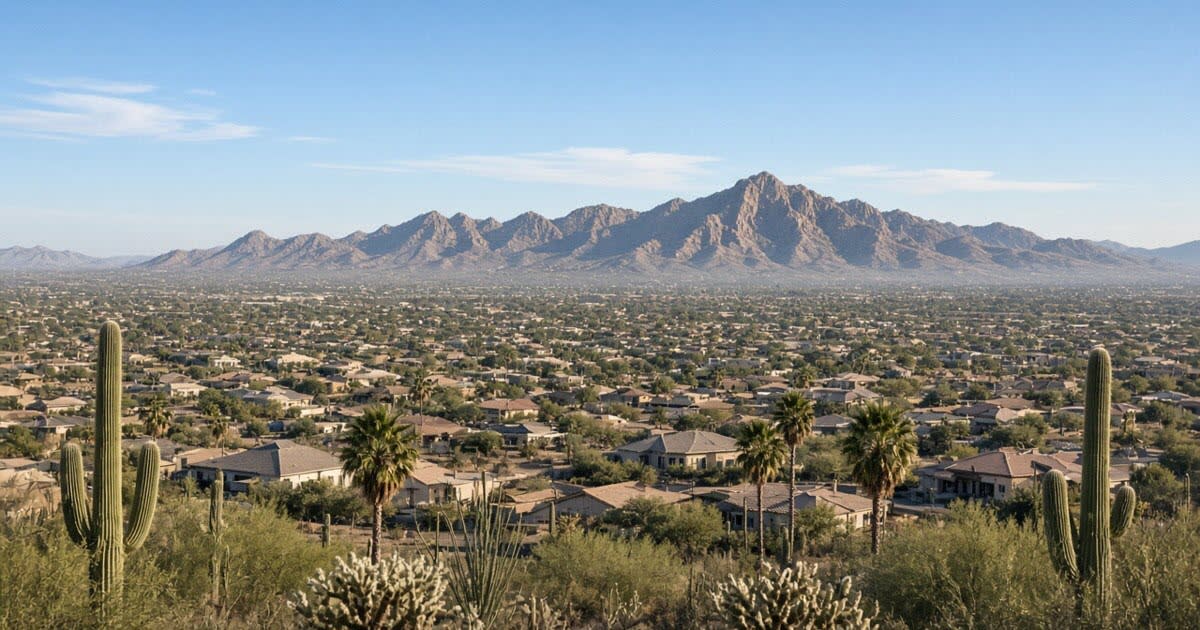

There is a reason so many people decide to make the move to the Valley as the weather turns cold everywhere else. Late fall and winter are when Phoenix makes its best first impression — sunny days, cool mornings, and patios that are actually pleasant at noon. For anyone moving to Phoenix this winter, that comfortable stretch is also the ideal time to get settled, learn the rhythms of desert living, and prepare for your first Arizona summer.
Here is what newcomers should know before and after the moving truck arrives.
Moving to Phoenix? Start With Arizona Time
The first adjustment for many newcomers happens this weekend. When most of the country falls back an hour on Sunday, November 1, Arizona clocks will not change at all. Under Arizona Revised Statutes 1-242, the state rejects daylight saving time and stays on Mountain Standard Time year-round. The notable exception is the Navajo Nation in northeastern Arizona, which does observe daylight saving time.
In practical terms, that means Phoenix lines up with Denver and Salt Lake City in the winter months and with Los Angeles in the summer months. If you work remotely, have family back home, or schedule calls across time zones, it is worth setting your calendar to “Arizona” rather than “Mountain Time” so meetings do not shift unexpectedly twice a year.
Handle the MVD Basics Early
Arizona is clear about when new residents need to update their vehicles and licenses. According to the Arizona Department of Transportation’s MVD, you must register a vehicle brought from another state as soon as you become an Arizona resident. The state considers you a resident if, among other things, you work in Arizona (other than seasonal agricultural work), register to vote here, enroll children in school without paying nonresident tuition, or stay in Arizona for seven months or more in a calendar year.
What to bring
- Proof of authorized presence in the U.S. and your current out-of-state driver license or ID
- Your Social Security number
- The current title and registration from your previous state for each vehicle
- An emissions test, if your vehicle requires one in the Phoenix metro — ADOT recommends passing it before your MVD visit
If you are still waiting on paperwork, such as a title held by an out-of-state lender, ADOT offers a 90-day registration that lets you drive legally while you gather the rest of your documents.
Choosing a Neighborhood: Shop in Winter, Think About Summer
Touring homes in the Valley this time of year is a pleasure. The trick is remembering that the home you buy in December also has to work for you in July. A few questions worth asking as you compare neighborhoods and properties:
How does the home handle the heat?
Pay attention to which way the house faces, how much shade the yard gets in the afternoon, the age and condition of the air conditioning system, and the quality of the windows and insulation. A west-facing backyard that feels lovely on a winter afternoon can be a very different place on a summer evening.
What does the commute really look like?
The Valley is large and spread out, and freeway access varies widely from one community to the next. Before you commit, drive your likely commute during a weekday rush hour — not just on a quiet weekend afternoon during your house-hunting trip.
Is there an HOA, and what does it cover?
Homeowners associations are common across the Phoenix area, particularly in newer master-planned communities. Review the fees, the rules on landscaping, parking, and exterior changes, and what amenities you are paying for. For some buyers, an HOA is a major plus; for others, it is a dealbreaker.
Which utilities serve the address?
Electric and water providers vary by location across the Valley, and rate plans differ. Ask which providers serve a home you are considering, and ask the seller for recent utility bills so you have a realistic picture of summer cooling costs.
Rent First or Buy Right Away?
Some newcomers rent for a few months before buying so they can learn the Valley firsthand, while others prefer to buy right away and avoid moving twice. Neither choice is wrong. Renting first gives you time to explore communities and experience a summer before committing, but it means paying rent, moving twice, and potentially competing for homes later. Buying right away lets you settle in and start building equity sooner, which works best when you have done your homework on neighborhoods in advance. A local agent can help you weigh the tradeoffs based on your timeline, your budget, and how well you already know the area.
Plan for Your First Phoenix Summer Now
Moving in winter gives you months to prepare before the heat arrives. Use that time well: have the air conditioning system serviced, add shade where you can, learn your irrigation system, and get comfortable with desert-friendly habits like running errands early in the day. Newcomers who arrive in the cooler months tend to find the transition to their first summer far easier than those who arrive in the middle of it.
What This Means for Buyers Moving to Phoenix This Winter
For buyers relocating to the Valley, winter is a comfortable and practical time to explore neighborhoods, tour homes, and get settled before summer. The buyers who make the smoothest moves are the ones who handle the logistics early, evaluate homes with all four seasons in mind, and rely on someone who knows the differences between Valley communities firsthand.
For anyone still deciding where in the Valley to land, a local agent can help you compare neighborhoods, commutes, HOAs, and price ranges — and can set up an efficient tour whether you are already here or planning a visit. Reach out today to start planning your move to Phoenix and find the right home for every season of desert living.