
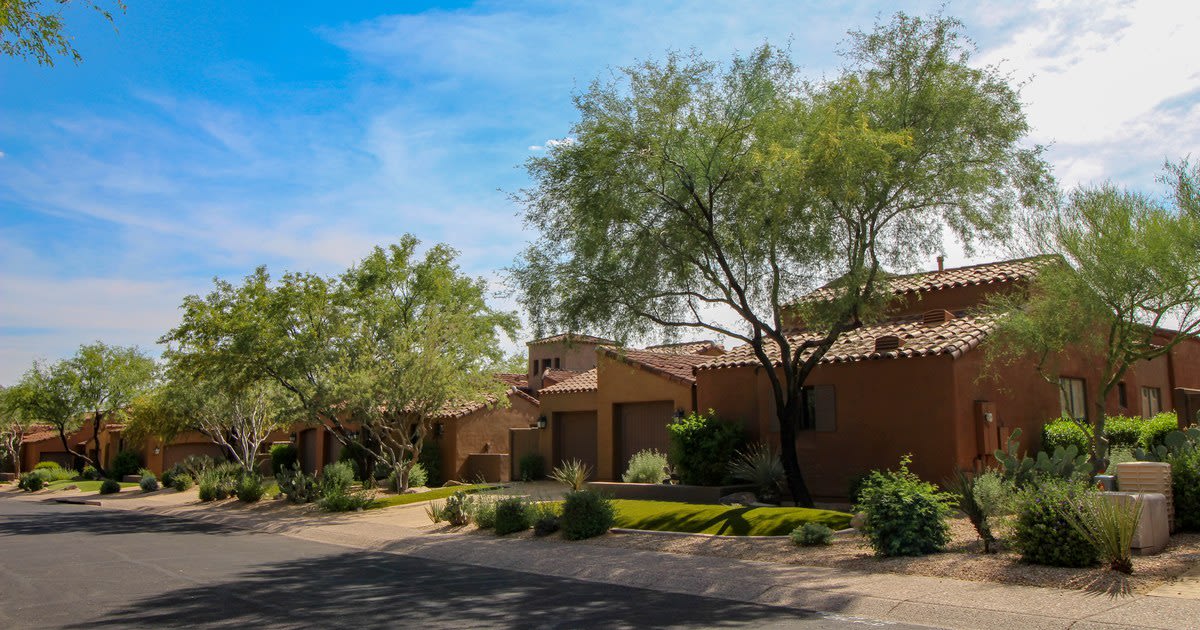

Drive through almost any part of the Valley and you will find master-planned neighborhoods, gated communities, and condo complexes managed by a homeowners association. If you are house hunting this season, there is a good chance the home you love comes with an HOA, and that is not a bad thing. Many buyers appreciate shared amenities, maintained common areas, and consistent neighborhood standards.
Buying a home in an HOA in Phoenix does add a layer of paperwork, though, and Arizona law spells out what you are entitled to see. Here is a plain-English walkthrough so you know what to look for before you close.
The HOA Documents Arizona Law Requires
For planned communities, the rules are in A.R.S. § 33-1806. Condominiums follow a nearly identical statute, A.R.S. § 33-1260. In communities with 50 or more homes, the seller notifies the association once an offer is accepted, and the association then has ten days to deliver a resale disclosure package to the buyer or the buyer’s agent. In smaller communities, the seller delivers the information within ten days of acceptance.
That package should include, among other things:
· The current bylaws, rules, and declaration (often called the CC&Rs), plus the final plat if available
· Board-approved minutes from the previous three open board meetings
· The regular assessment amount and payment schedule, plus any special assessments that have been approved or proposed
· Any unpaid assessment lien against the property and any unresolved violation cited against the home
· The current operating budget, the most recent income and expense statement, and the latest audit, review, or compilation
· The most recent reserve study, if the association has one
· A summary of pending lawsuits involving the association
· Whether the community is still under developer (declarant) control
Condo buyers also receive information about the association’s insurance coverage and whether any corporation or LLC owns and leases 35 percent or more of the units.
What Resale and Transfer Fees Can Cost
Arizona caps what an association can charge for resale-related services. Under the statutes, the combined fee for the resale disclosure, lien estoppel, and other transfer-related services is limited to $400. An association can add a rush fee of up to $100 if the work must be done within 72 hours, and a document update fee of up to $50 if 30 or more days have passed since the original report. These fees are charged to the seller, can be collected no earlier than the close of escrow, and can be charged only once per transaction. Separately, the disclosure statement must list the amount and purpose of any title transfer fee authorized in the community’s declaration, so read that line carefully.
Buying a Home in an HOA in Phoenix: What to Review Closely
The disclosure package can be long, but a few items tell you a lot about the community’s health and how it will fit your life:
· Reserve study and budget: these show whether the association is saving for big-ticket items like roofs, pools, and paving, or whether special assessments may be more likely
· Board minutes: recent meetings often reveal planned projects, rule changes, or recurring issues
· Rules that affect your plans: look for parking, pet, exterior paint, landscaping, and rental rules before you commit
· Open violations: make sure any cited issue on the home is resolved, or that you understand what it will take
At closing, Arizona requires buyers to sign an acknowledgment that they will be bound by the recorded covenants and must pay assessments, and that unpaid assessments can lead to collection activity, up to foreclosure, without homestead protection. It is a good reminder to budget for HOA dues just as you would your mortgage.
A Few Homeowner Protections Worth Knowing
Arizona law also limits how quickly regular assessments can rise. Under A.R.S. § 33-1803, a planned community generally cannot raise its regular assessment more than 20 percent over the prior fiscal year without approval from a majority of members, unless the community documents set a lower limit. Late fees on assessments are limited to the greater of $15 or 10 percent of the unpaid amount.
If solar is on your wish list, A.R.S. § 33-1816 says a planned community cannot prohibit solar energy devices, though it can adopt reasonable rules about placement as long as they do not prevent installation or reduce the system’s efficiency.
What This Means for Phoenix Buyers and Sellers
For buyers, give yourself time to actually read the HOA package during your inspection period, and ask questions about anything that looks unclear, especially reserves, special assessments, and rules that affect how you plan to use the home.
For sellers, notify the association promptly after accepting an offer so the ten-day clock starts right away, and keep in mind that the statutory resale fees are yours to cover at closing.
A local real estate professional who knows Phoenix-area communities can help you compare neighborhoods, track HOA deadlines, and keep your purchase on schedule. Reach out any time to start the conversation.